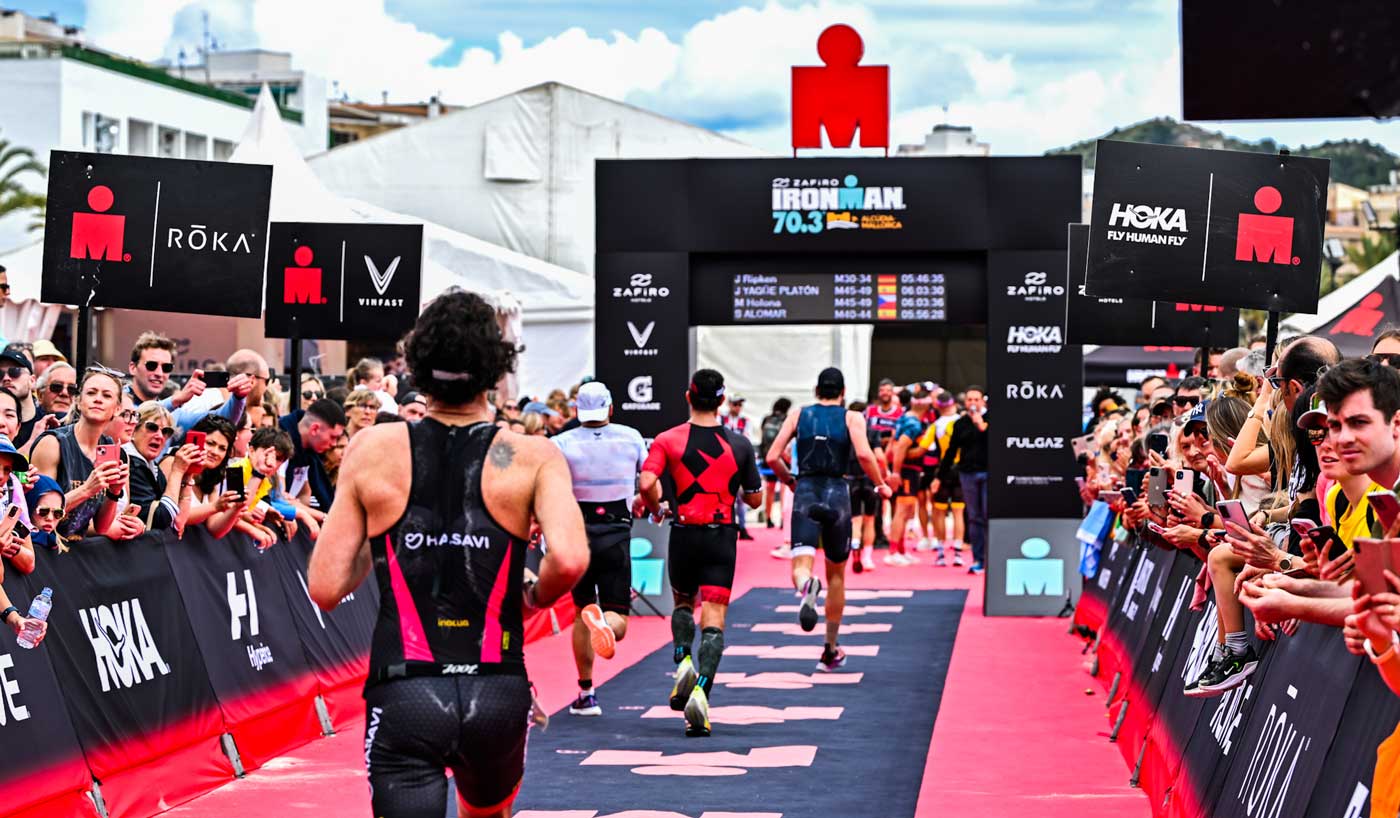
Gonzaga Rubiera, Manager of Athlete Services for Southern Europe at The IRONMAN Group, shares insights about his work and details the most in-demand profiles in the sports industry
Since its founding in 1978 in Oʻahu, Hawaii, The IRONMAN Group has experienced extraordinary growth, becoming a global leader in organizing endurance events. Each year, more than one million athletes participate in the group’s competitions, reflecting its global impact and ability to attract participants from around the world.
Gonzaga Rubiera is Manager of Athlete Services for the Southern EMEA region at The IRONMAN Group. With a long professional career that includes experience in football teams and sports agencies, Gonzaga is now focused on the athlete experience at endurance races.
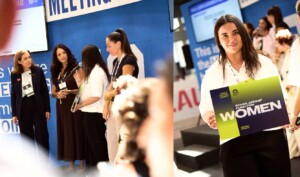
Gonzaga took part in the 1st SPORT BUSINESS Job Fair, co-organized by Johan Cruyff Institute and Impulsyn, at the former DAMM Factory in Barcelona. There, he interviewed students looking to start their careers in the sports sector. In this context, Gonzaga shared details about his work at The IRONMAN Group and discussed which profiles are most sought-after in the industry.
What does your role as Manager of Athlete Services involve?
To give a bit of context, The IRONMAN Group is often seen solely as a triathlon brand. But in reality, it manages several events, like the Ironman UTMB trail races, which are quite trendy right now. Then there are the Epic Series — I was recently in South Africa for the Cape Epic, probably the most well-known of them. And we also organize events like the Rock ‘n’ Roll Running Series. From our office in Barcelona, we manage all events in Southern Europe — that is, races in Spain, Italy, Portugal, and Andorra for all these brands.
My specific team is in charge of the athlete experience. That might sound generic, but it means ensuring that from the moment registration opens on our ticketing platforms, through to customer service and on-site interactions at events, the execution plan is flawless and the overall experience meets or exceeds athlete expectations.
So you handle everything from registration to post-race follow-up?
Exactly. The athlete experience begins when they buy their ticket. We’re entering event season in Southern Europe now, with Ironman races in Valencia, Venice, and Mallorca. Our job includes preparing athlete guides with all relevant information — they need to be intuitive, responsive, and up-to-date. Take the accreditation process, for instance: when athletes pick up their race number, we want the mechanisms to be cutting-edge, because IRONMAN athletes expect standout events.
“As Manager of Athlete Services, I lead a team dedicated to ensuring that every athlete touchpoint — from face-to-face interactions to the overall experience — is delivered in the best possible way.”
What key talents or qualities should people have to work in these kinds of events?
At the SPORT BUSINESS Job Fair, we try to help students understand that a company like ours has many departments suited to different profiles — finance, marketing, sponsorships, operations, athlete services, and even merchandise shops at events.
“The first thing I’d recommend to anyone wanting to work in the industry is to figure out where their interests lie and try to get involved in events little by little. When you’re starting out in the sports industry, it’s essential to find out what really excites and motivates you.”
When we recruit, we look for a mix — candidates whose background fits the specific department but who also understand what working at an event really means. That’s what sets us apart from other sports organizations: the blend of office work for event planning and the on-site execution. For example, we’re about to kick off the season in Valencia, and we’ll be there on the ground, managing teams and working with local crews.
Do you look for people with the right attitude? A balance between training and mindset?
At The IRONMAN Group, we want people who are versatile and can adapt quickly. It’s a special kind of profile — someone who can handle months of office work but then switch into event mode. Since we work outdoors, there are lots of unpredictable variables. Weather is a classic one — we all hope for a perfect sunny day, but sometimes things need to change last minute. We need people who can manage those changes and communicate effectively so that the athlete, even if their course changed slightly, still has a top-tier experience. You need to be sharp, agile — that’s essential for working in events.
What opportunities are currently available at The IRONMAN Group? Is there a way people can reach out to you?
IRONMAN is a multinational company with offices in many countries. On our website, we have a Careers section where you can find all current openings for full-time, permanent positions. At the SPORT BUSINESS Job Fair, we met many international students who had come to Barcelona in search of an opportunity. For those now back in their home countries, there are also internship positions available throughout the year.
“Every year, we offer students their first professional experience, to help them discover whether they enjoy the sports industry.”
What advice would you give to someone looking for their first opportunity in this industry?
I think the key is to try things out, to gain different experiences — especially at this stage of their lives, when they have the flexibility to volunteer or accept a one-week contract to work at an event.
Personally, I started out in football. Back when I was studying, it was what interested me most. I even moved to Barcelona to work on a football project called Marced. Later on, I discovered the world of endurance — triathlons, mountain bike races, mass participation events. IRONMAN organizes mountain biking, running, trail running — which is booming right now.
So, it’s important to explore and discover. Maybe the students who attended the SPORT BUSINESS Job Fair weren’t expecting to work in triathlon — many probably want to enter the football industry. But once you get to know this side of the business, from the organizer’s perspective, it can be incredibly rewarding. From my own experience, endurance sports are more fulfilling than football — even though I had a good time there too. But football can feel a bit colder, more saturated as a sport. The sports industry is about testing and pivoting, about discovering new things.
What are the professional challenges for IRONMAN in 2025?
I just got back from South Africa, where I was at the Cape Epic — often called the Tour de France of mountain biking. It’s an amazing event, and being there with the Cape Town team for a couple of weeks was fantastic. There are also many Spanish cycling influencers who participate, so it’s well known in Spanish-speaking countries.
Now our Southern Europe race calendar is starting, with big races in Valencia, Venice, and Mallorca. I have a team of six people in my department, and we divide up the events. In June, we have the Trail 100 in Andorra with UTMB, and another Epic Series event in Andorra — like the Cape Epic’s little sister.
Then we return to the IRONMAN ecosystem with the race in Vitoria — our only event here in the summer. Most summer races happen in Northern Europe where the temperatures are cooler. The season ends with a bang — we have major events in Serbia, Italy, Portugal, Barcelona, and Calella.
We’ll close out the year in spectacular fashion with the IRONMAN 70.3 World Championship in Marbella. This event moves to a different location every year — last year, I had the honor of being in Taupo, New Zealand. This year, instead of flying to New Zealand, qualified athletes from all over the world will come to Marbella to compete on November 8–9. It’s going to be an incredible end to the season: 6,000 athletes plus their companions — a massive impact for the entire region.