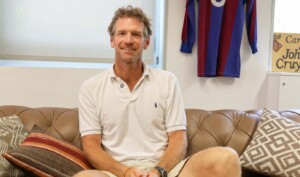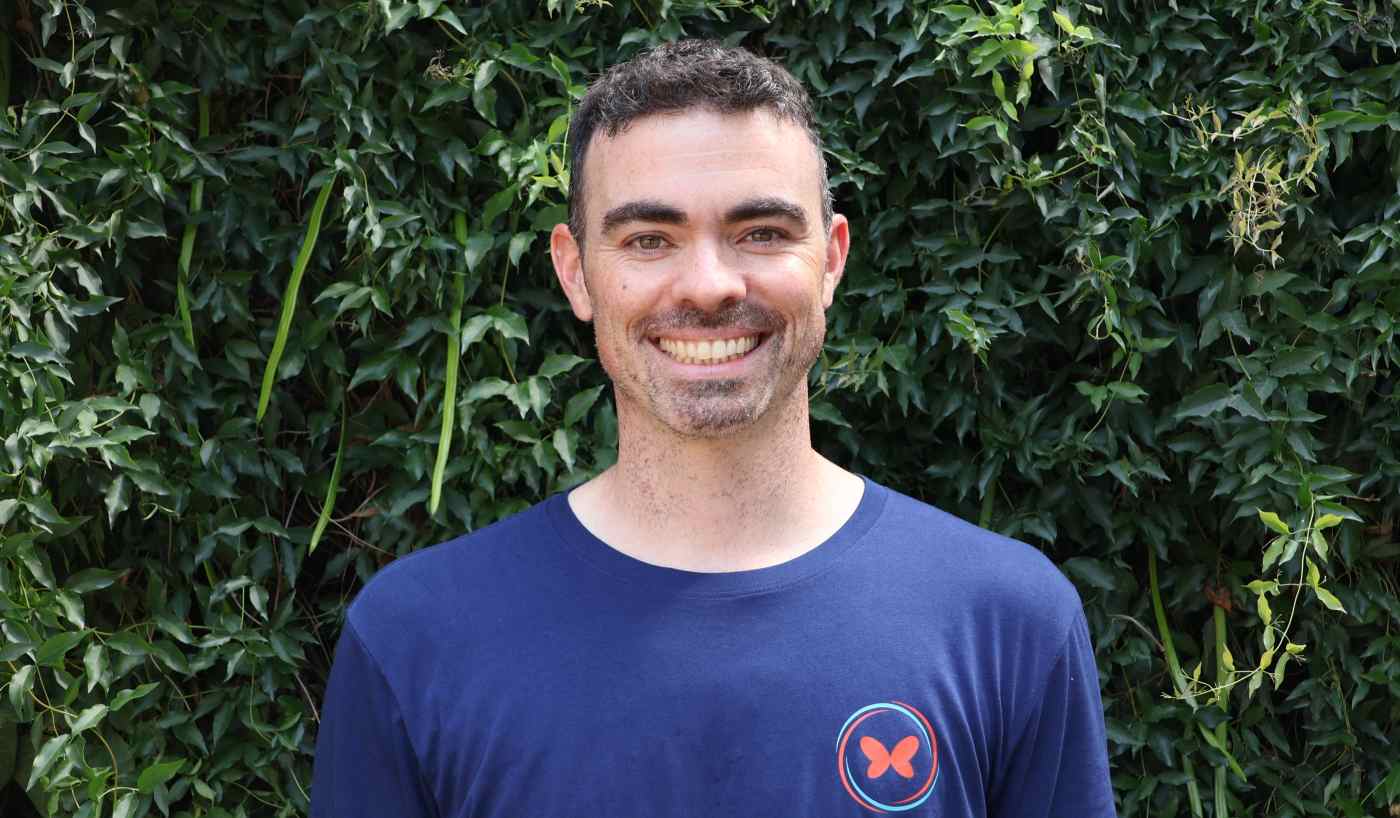
Sam Parfitt is the CEO and founder of The True Athlete Project (TAP), an international organization dedicated to transforming sports culture through a more human-centered and holistic approach.
According to a study published in Nature, approximately 35% of elite athletes experience mental health challenges, with burnout among the most common conditions. While athletes such as Simone Biles, Michael Phelps, and Naomi Osaka have helped bring greater visibility to this issue, the data shows there is still significant work to be done.
Sam Parfitt knows these challenges firsthand. After moving from England to the United States to compete in NCAA Division I tennis, a series of injuries and surgeries derailed his athletic career and had a profound impact on his mental health. That experience revealed to him the paradox of sport: its extraordinary ability to change lives while also causing harm when practiced in unhealthy environments.
In this interview, he discusses how sport can become a powerful tool for improving well-being, the role mindfulness plays in performance and mental health, and the opportunities created by the recent collaboration between The True Athlete Project and Johan Cruyff Institute.
The True Athlete Project was founded to transform sports culture. What are the biggest challenges you see today, and why is change necessary?
I believe sport reflects many of the challenges society is facing today. Before we are athletes, we are people, which means we also experience isolation, uncertainty, and the mental health crisis affecting so many aspects of modern life.
The real challenge is helping people feel connected, to themselves, to others, and to the world around them. When that happens, they regain a sense of agency over their own lives. And that’s where sport can play an extraordinary role.
Millions of people build some of the most meaningful memories of their lives through sport. Yet far too often, that experience becomes harmful or continues to follow outdated models that no longer meet today’s needs.
We’re missing a tremendous opportunity. Sport has enormous potential to transform the lives of millions of people.
“We need to ask ourselves how we can create environments that allow that potential to fully flourish. That’s exactly the mission of The True Athlete Project”.
Sport is often associated with positive mental health, but it can also contribute to burnout, anxiety, and dropout. How can it become a more powerful force for well-being?
Mindfulness sits at the heart of everything we do because it addresses so many of the challenges we see among athletes, coaches, and performance leaders.
First, it enhances performance. It helps people direct their attention to the present moment and manage their emotions under pressure. As a tennis player, I had only about twenty seconds between points to breathe, refocus, and prepare for the next rally. That brief moment made an enormous difference.
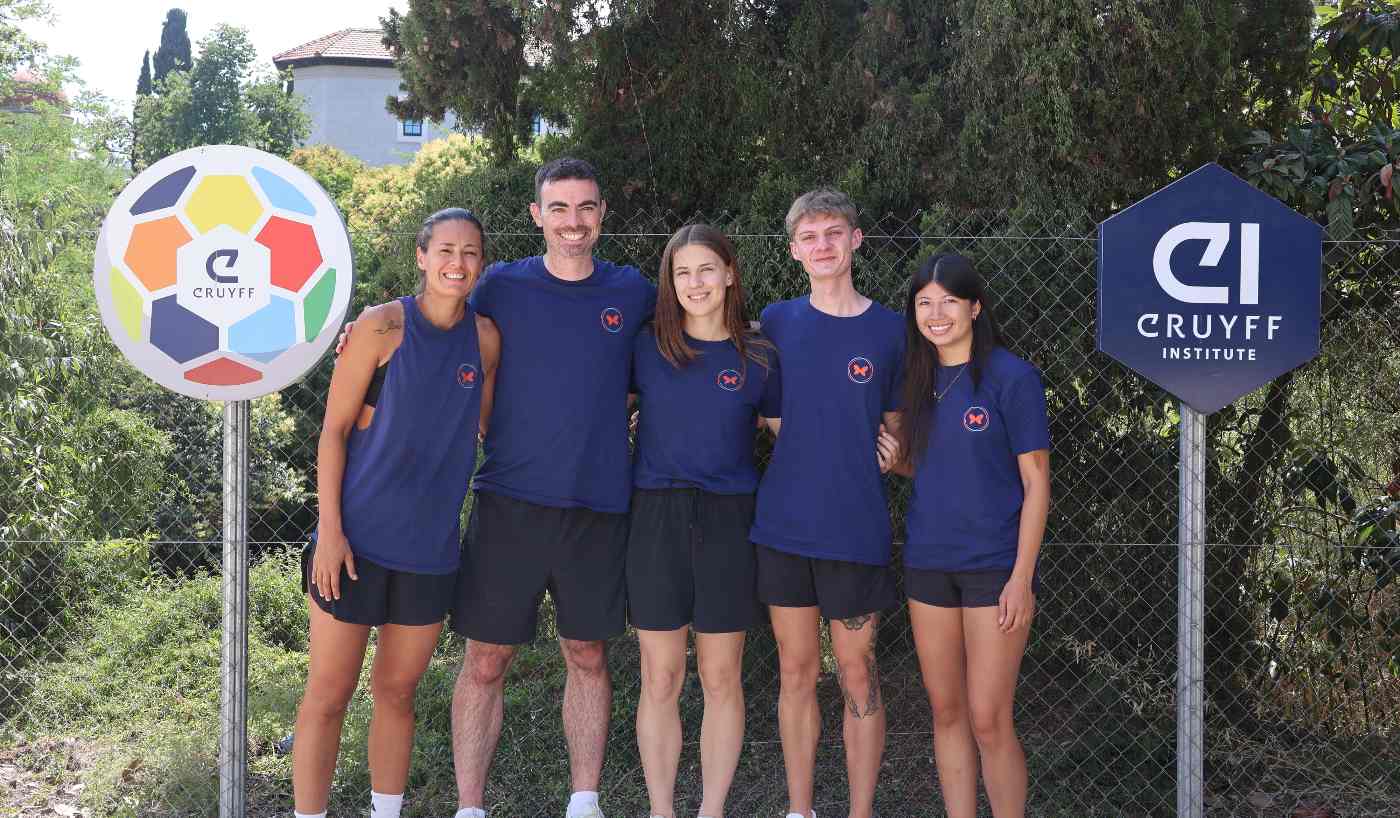
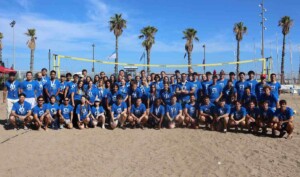
Sam Parfitt and the True Athlete Project team at the Barcelona campus of Johan Cruyff Institute.
But its benefits extend well beyond athletic performance.
“Scientific evidence shows that mindfulness improves sleep, strengthens the immune system, reduces the effects of chronic stress, and helps prevent or manage conditions such as anxiety and depression”.
There’s also a third dimension that is equally important to us. When these practices encourage people to reflect on who they are and the impact they want to have on the world, they also help them live according to their values. They allow us to recognize when we’ve drifted away from those values and find our way back.
That’s why we take a broad view of mindfulness. It improves performance, supports well-being, and helps create healthier sports cultures. That holistic approach is what sets our work apart and resonates so strongly with athletes, coaches, and organizations.
Can you share a specific example of how mindfulness benefits athletes?
Absolutely, there are countless examples. Today we work with high school students across the United States and the United Kingdom. When we first meet a group, we often find a very traditional dynamic: the coach gives instructions, the athletes listen, and everyone tries not to stand out.
When we change that dynamic by sitting together in a circle, including the coach, the atmosphere changes almost immediately. People stop feeling like they have to play the role of the tough, invulnerable athlete and begin relating to one another in a much more authentic way.
The deepest benefits of mindfulness require consistent practice, but the shift in the group’s atmosphere is often noticeable almost immediately. Sometimes ten mindful breaths are enough for everyone to feel calmer, more present, and realize that sport can feel this way too.
That makes it much easier for young athletes to communicate with their coaches and speak openly about what they’re experiencing.
I especially remember one athlete we worked with through a British sports federation. After attending one of our early sessions, she decided, for the first time, to seek professional mental health support. The environment we had created made her feel safe enough to take that step.
She later joined our Global Mentorship Program, where she spent a year working with a mentor. Eventually, she became a mentor herself, supporting another young athlete and leading mindfulness sessions for younger participants.
That’s exactly the ripple effect we’re trying to create.
Everyone’s experience is different. Some tell us these tools helped them focus better in school. Others say they’ve helped them navigate difficult family situations, become better coaches, or perform at a higher level in competition. That speaks to the tremendous potential of this work.
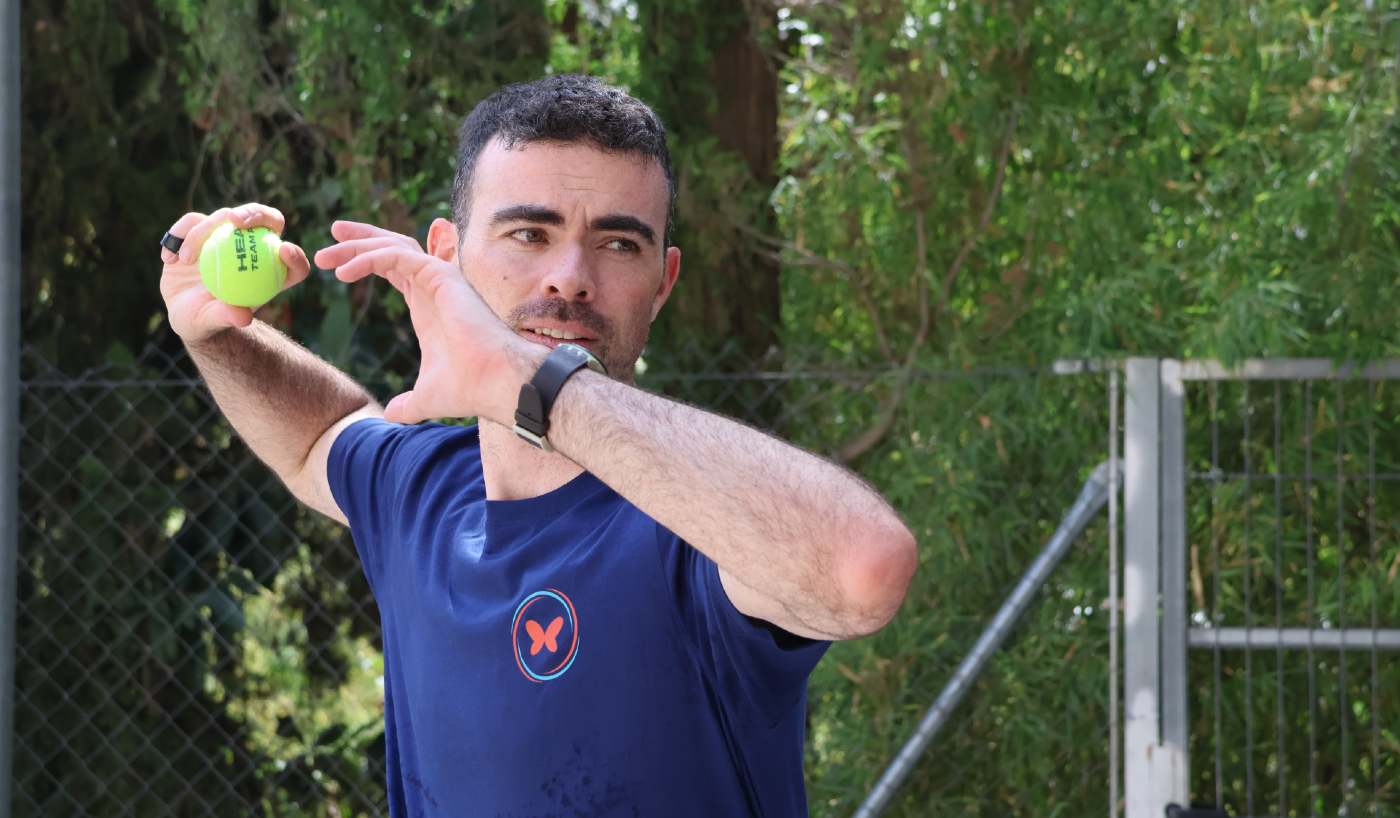
The True Athlete Project develops programs for athletes, coaches, educators, and sports organizations. Which initiatives are having the greatest impact?
We work across multiple levels of the sports ecosystem.
On one hand, we run programs for children and young athletes. The work is highly personal, and the impact is often visible very quickly.
At the same time, we partner with organizations such as British Gymnastics, British Cycling, and Skateboard GB to help redefine what success really means. Beyond competitive results, we work with them to build cultures that prioritize well-being, active listening, and the positive impact they want to create.
We also collaborate with organizations such as UK Sport to help athletes become agents of social change and to build partnerships that drive broader transformation across sport.
Whenever we identify needs the system isn’t yet addressing, we develop our own initiatives. The best example is our Global Mentorship Program, which has now completed fourteen editions.
Over the course of a year, we connect young athletes with international athletes from different sports and countries. In addition to one-on-one mentoring, everyone becomes part of a global community where they participate in workshops, share experiences, and learn from one another.
“For young athletes, having someone who has already walked that path is invaluable. But perhaps even more interesting is the impact the program has on the mentors themselves”.
One hundred percent of our mentors say that supporting another athlete has also improved their own performance. That’s a remarkable finding because it challenges the belief that helping others comes at the expense of elite performance. Our experience shows exactly the opposite.
Many sports environments still prioritize winning above everything else. How can organizations build healthier cultures without compromising high performance?
It’s a question that comes up all the time.
There’s still a widespread belief that achieving peak performance requires athletes to behave like machines and set aside everything that makes them human. My experience tells me exactly the opposite.
One of the greatest privileges The True Athlete Project has given me is the opportunity to meet world-class athletes. And with very few exceptions, the higher their level, the deeper their understanding of the complexity of performance.
“They realize that relentless effort and the “no pain, no gain” philosophy aren’t enough. Balance, self-awareness, and the ability to care for yourself are equally essential”.
That’s why I believe we need to move beyond the false choice between compassion and high standards. For years, we’ve assumed that compassion means lowering expectations, when in reality the opposite is true.
Compassion strengthens motivation, improves learning, helps prevent injuries, and builds resilience. It’s not a weakness, it’s a foundation for sustaining high performance over the long term.
Mindfulness practices are part of that philosophy. Their purpose isn’t to make athletes less competitive, but to help them develop a deeper, more sustainable form of strength.
The True Athlete Project and Johan Cruyff Institute recently began collaborating. What opportunities do you hope this partnership will create?
We’re genuinely excited about this collaboration.
“Everyone at The True Athlete Project shares that enthusiasm because we feel both organizations have a very similar vision of the role sport can play in society”.
It all began at the Sports Education Forum in Tbilisi, where we co-hosted a workshop and panel discussion on sustainable performance and well-being. We brought together a diverse group of speakers, including the physician for the Georgia national football team and a Georgian professional tennis player, both of whom offered valuable perspectives.
The response from participants was extremely positive. We were able to open an important conversation about how to build a model of sport that not only pursues competitive success but also contributes to people’s well-being. More importantly, we focused on how to turn that vision into practical action.
The following day, we delivered the Mental Health Beyond 101 workshop, designed to move beyond the fundamentals of mental health. Our goal was for participants not only to reflect on these challenges but also to leave with practical tools and an action plan they could implement within their own organizations.
Looking ahead, we’d like to develop additional workshops for leaders and coaches, launch programs that empower athletes to become agents of social change, and explore new initiatives together with Johan Cruyff Institute.
Ultimately, we share the same conviction: sport can be an extraordinary force for transforming lives. If we succeed in creating more human-centered and healthier environments, that impact will be even greater.