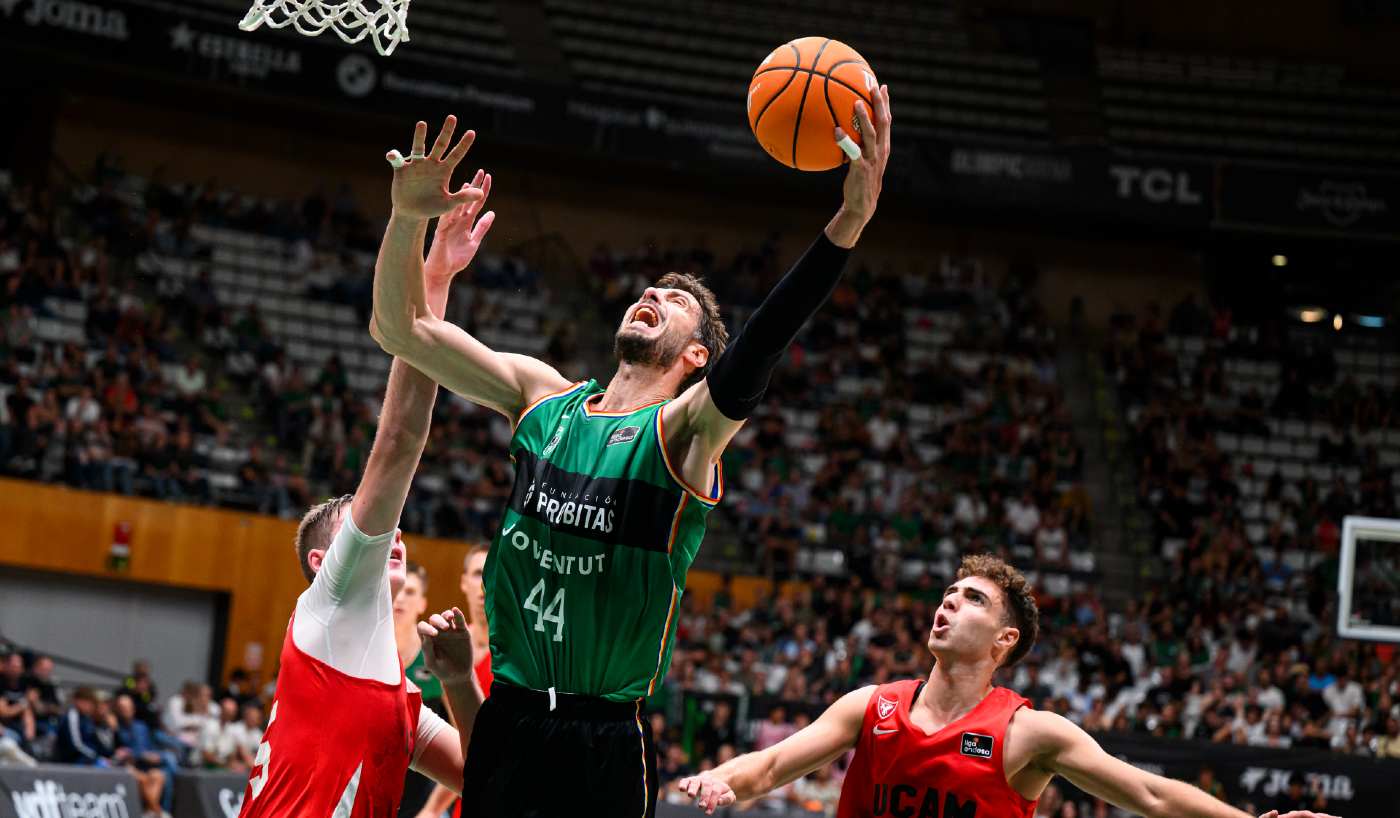
The veteran Club Joventut Badalona player, who took part in the Professional Development Program offered by Johan Cruyff Institute and the ACB, remains committed to lifelong learning and balancing sports with education.
At 39, Ante Tomic is one of the most respected veterans in Spain’s Liga Endesa (ACB). His successful stints with Real Madrid, FC Barcelona, and now Club Joventut Badalona reflect a level of consistency and longevity rarely seen in professional sports.
Alongside his basketball career, Tomic has continued to invest in his education. The Croatian center completed the Professional Development Program for current and former players, a joint initiative by the ACB and Johan Cruyff Institute designed to help athletes prepare for life beyond competition. After completing the program, he decided to take his education a step further and is currently enrolled in the Postgraduate Diploma in Sport Management Online.
In this interview, Tomić reflects on a career spanning more than two decades and discusses the role education plays in his life beyond the court.
What personal and professional lessons have you gained from playing for different clubs throughout your career?
I’ve had a long career, and it’s not over yet. As people often say, you learn something new every day, and there are always things that surprise you.
I’ve experienced different clubs, different stages of my life, and different eras of the sport itself. At each stop, I had different teammates and took away different lessons. For example, learning how to function within a diverse group, whether it’s playing alongside young players like I do now in Badalona, or being part of a highly experienced and professional team like the one I played with at Real Madrid.
“Every experience taught me something. Not just about basketball or my profession, but about life in general, things you can apply to your personal life as well. Education is extremely important, not just for athletes, but for everyone.”
After living in Spain for 17 years and playing for the three clubs I’ve represented here, I still learn from my teammates, as well as from coaches, medical staff, and everyone around the team.
How has your role within a team evolved over the years?
When I was 18 or 19 years old, I played alongside veterans who were 35 or older. Looking back now, I probably didn’t pay as much attention to them as I should have.
I’d like to think that younger players today listen to me more than I listened to the veterans when I was their age. Times change, generations change. You notice it in the way technology has transformed everyday life, and of course becoming a parent changes your perspective completely.
That said, every player is different. You may connect naturally with some younger teammates and have less in common with others because of different interests or personalities. What’s important is that everyone is working toward the same goal. When a team works well together and everyone is committed to the process, strong relationships usually follow.
What has been the most challenging part of your career?
For me, the biggest challenge has always been performing at the highest level possible year after year.
I believe I’ve been able to enjoy a long career because I’ve maintained stability off the court and discipline on the court. Throughout my career, I’ve faced many different challenges.
“I could talk about team championships or individual achievements, but my biggest goal has always been to be a good teammate and help both my teammates and coaches succeed.”
At the end of the day, when the team succeeds, everyone benefits.
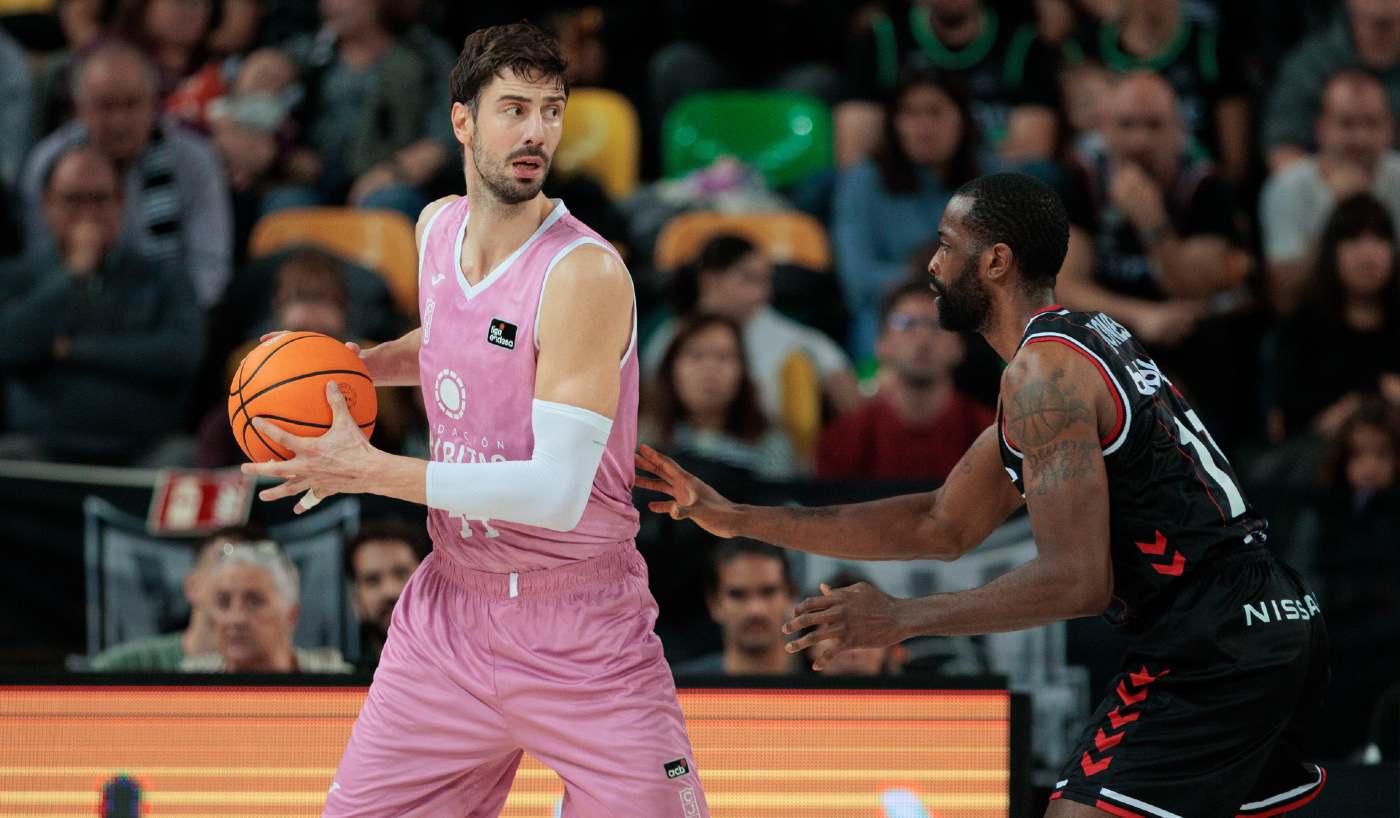
With a career spanning more than two decades, Ante Tomic remains one of the most experienced players in European basketball. Photo credit: Aitor Arrizabalaga (ACB).
What motivated you to pursue your studies at Johan Cruyff Institute?
The idea came through conversations with teammates. We don’t only talk about Instagram, TikTok, and social media. We also talk about things that really matter, and education is one of them.
“The partnership between the ACB and Johan Cruyff Institute created an opportunity for athletes to continue their education, and that’s how I got started.”
My first course focused on finance and marketing. As with anything, there are subjects you enjoy more than others, but I was curious and wanted to give it a try.
That experience encouraged me to keep going. I enjoy learning, and I believe education can help me in many areas of life beyond basketball.
How has your academic education influenced the way you understand sports?
One example comes from the strategic management module in the postgraduate program.
The concepts we study can be applied directly to a sports team. Every organization needs to define its goals. To do that, you first need to analyze your situation, identify strengths and weaknesses, and develop a plan. Then comes execution, figuring out how you’re going to achieve those objectives.
Of course, execution doesn’t depend on one person alone. It requires the entire team. What I enjoy most is discovering ideas and tools that can be applied directly to sports organizations and teams.
What advice would you give to a young athlete who wants to compete at the highest level without neglecting their education?
I always say the same thing: it’s important to understand your priorities.
At nearly 40 years old, my priorities are naturally different from those of a 22-year-old athlete. And that’s completely normal. If you’re young and pursuing a professional sports career, it’s understandable that your main focus is performing and developing as an athlete.
Young players today are exposed to countless influences and an endless flow of information. Because of that, it’s important to be selective and intentional about the advice you follow.
“My recommendation would be to identify your own path and commit to it. Things may work out, or they may not, but it’s important to have your own goals and challenges to pursue.”
If someone wants to dedicate themselves entirely to basketball and has no interest in anything else, that’s perfectly valid. Personally, I believe education is important and necessary.
In my case, I’ve always had interests outside basketball. What I felt I was missing was a stronger educational background. If you have that curiosity and desire to learn, it’s worth investing time and effort into it.
How do you balance basketball, training, and your studies?
I think having a routine and clear priorities is essential.
My wife and I have two daughters who are in school, so our family life is highly organized. We rely on routines, schedules, and planning.
Before each week begins, I decide how I’m going to spend my time. For example, I might set aside two hours specifically for studying. If I didn’t schedule that time in advance, it would be very difficult to make education part of my life.
Life gets busy, and if you don’t plan ahead, it’s easy to run out of time. Organization is key.
How do you envision your life after basketball?
I have a lot of ideas and plans for the future, but right now my focus is still on basketball.
“Although I’m committed to my studies, education is not my top priority at the moment. My priorities remain my family and basketball because that’s my life right now.”
That said, I have enough time to dedicate myself seriously to my studies, and I’m enjoying the experience. I understand what my priorities are, and I’ve built a routine that allows me to balance everything successfully.
Featured photo credit: David Grau (ACB).